

By Emma Johnson
Unsettled Wars, Uncertain Peace
Two protracted conflicts—one in the Middle East and another in Ukraine—continue to strain global systems. Military escalation, damaged infrastructure, and blocked trade routes along energy corridors are fueling supply chain disruptions and economic volatility. Diplomatic avenues remain sorely tested, with few breakthroughs yet to be seen. The shadow of war isn’t confined to affected zones: its ripple extends into markets, migration and international law.
War and Technology: An Uneasy Balance
Against the grim backdrop of conflict, there’s a surprising force of resistance: the rapid expansion of artificial intelligence and tech-driven sectors. Countries investing heavily in AI and digital innovation are seeing clearer opportunities—boosting growth even as energy importers and more vulnerable economies struggle. But this imbalance sharpens global divides: when tech surges while energy prices climb, the gap between high-income nations and those less able to adapt widens.
Inflation, Energy, and the Cost of Living
The spike in energy prices, especially where supply is disrupted, has reignited inflation in many parts of the world. For lower-income households, where a larger share of income goes toward essentials like fuel, electricity and food, the pain is most acute. Rising transport costs, volatile commodity prices and shaken fiscal stability undermine progress in both emerging and developing economies. Central banks face squeezing trade-offs: tame inflation or protect growth.
Climate, Risk, and Long-Term Fragility
Beyond immediate crises, longer-term risks are pressing. Climate inaction ranks at the top of global concerns in risk surveys. Extreme weather threatens food, water and health systems, especially in places already vulnerable. Moreover, political fragmentation and nationalist agendas are pushing back on international cooperation—making it harder to mount unified responses to climate change, technology governance and security challenges.
What Lies Ahead
While the road is rough, there are routes forward.
Strengthened Multilateral Action
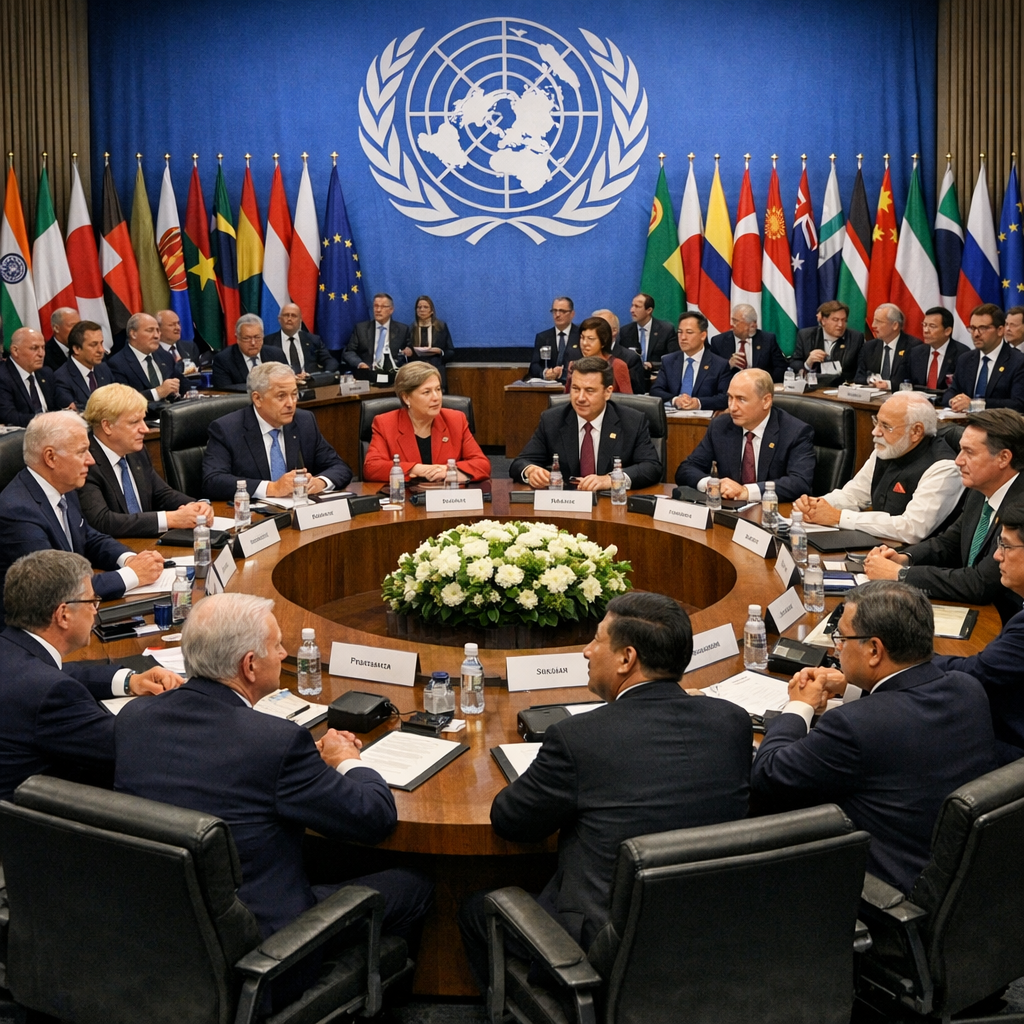
International institutions—like the UN, IMF, World Bank—are under pressure to adapt. Coordinated policies on trade, sanctions, climate and finance are becoming more critical than ever. Peace agreements, energy stabilization, and tech norms may hinge on countries working together rather than going it alone.
Fostering Resilience and Fairness
Strategies that build local capacity—renewables, diversified supply chains, public investments in education and infrastructure—can offer buffer against shocks. Equally important is inclusive policy design that protects vulnerable populations, ensures equity, and avoids leaving anyone behind.
Balancing Innovation with Responsibility
AI, automation and tech hold immense promise—but they bring risks: inequality, labour disruption, ethical concerns. There’s a growing need for frameworks that regulate cutting-edge technologies, safeguard human rights, and ensure that innovation serves society broadly—not just elite pockets.
Our world is grappling with overlapping crises—and the more interconnected it becomes, the more powerful those overlaps are. But with thoughtful leadership, equitable policies and sustained collaboration, the coming years can still be shaped toward stability, justice, and progress.